#yourthegreatestasset

Invest in your health today with Unified Fitness NPB. 

#gettoknow

Who I am

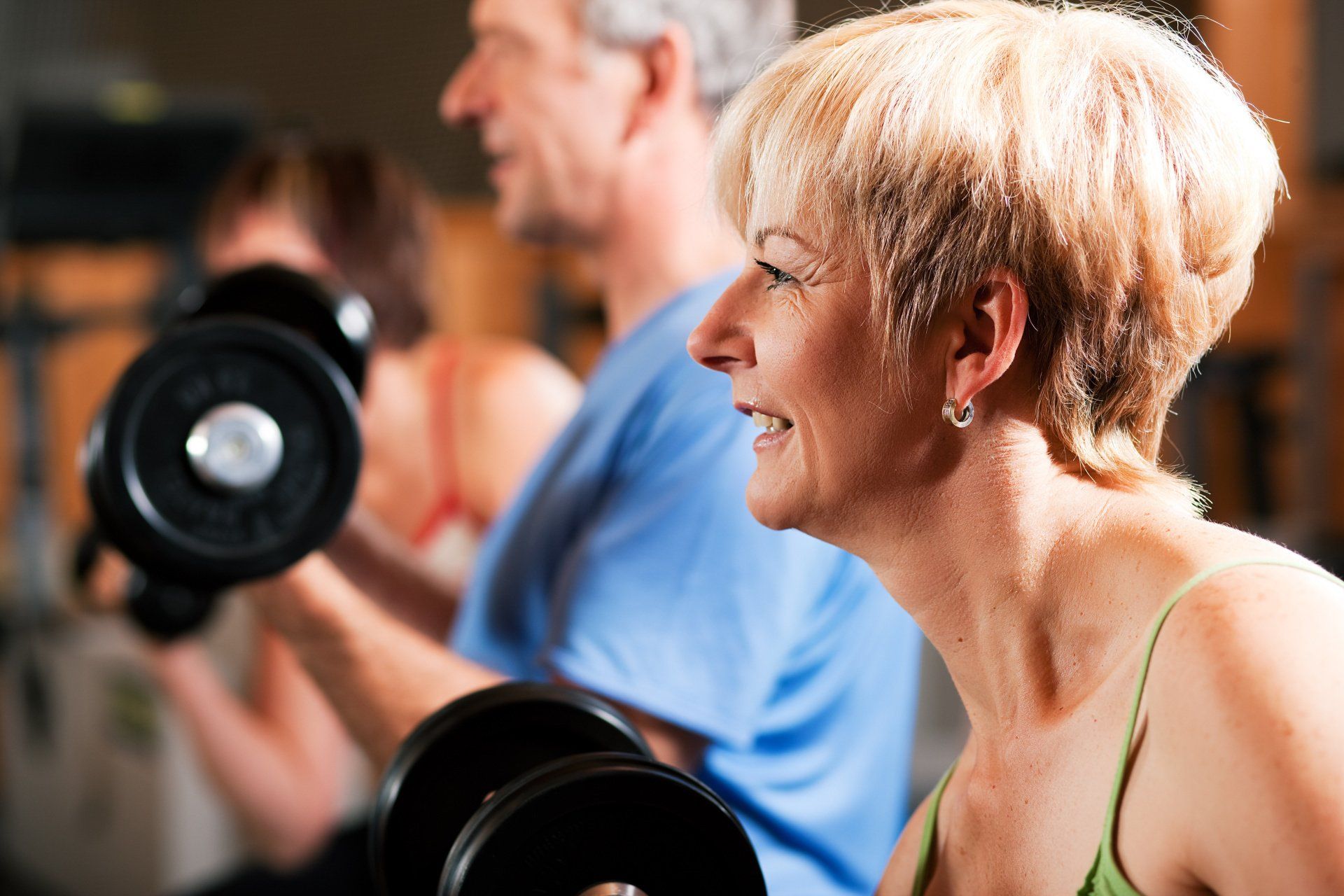
Hi! I am Nina ParkerBrison, a professional health and wellness coach located in Delaware. Services include private wellness for middle-aged and senior adults, virtual fitness training, and onsite workout sessions. My priority for each client is to help them become healthy and fit and feel emotionally, mentally and, spiritually fulfilled. For a person to be their best- the mind, body and, spirit- must be in unity. The ability for my clients to function well in daily living and be happy is a primary objective.

Read More

#getintouch

Want to learn more?

Sign up to our newsletter

Fitness Services to Stay Healthy and Fit

#moveyourbody

United Fitness Services

All the services you need in one place to stay healthy and fit.

Testimonials

"My daughter was battling several health issues that were causing weight gain and mental health challenges-- but after starting fitness sessions with you she felt energized and motivated. Thank you Nina for helping her during a crucial time, you were really patient with her. You are awesome!"

Maha

”First of all, I can't say how happy I was with what I found myself being able to do. And working with Nina was such a delight. She is so patient and kind, and made me feel comfortable enough to have the confidence I needed to try something new."

Mardette

”Nina, working with you to lose weight and get healthier helped me learn some great tips on how to eat and exercise. You would tell me "mind over matter" when exercising my left arm and right leg, it taught me that I could overcome. You are a great person to work with, thank you so much for all that you do."

Laura T

“To get in better shape-- a friend recommended that I contact Nina. Now, six months later, I've lost 30 pounds and 30.25 inches. I am now healthier, stronger and more confident than I've ever been. Having Nina there for support and to hold me accountable helped me stay on track and achieve my fitness goals.”

Teryl Price 

UFit-NPB Wellness Blog Dispatch
By Nina ParkerBrison February 14, 2026
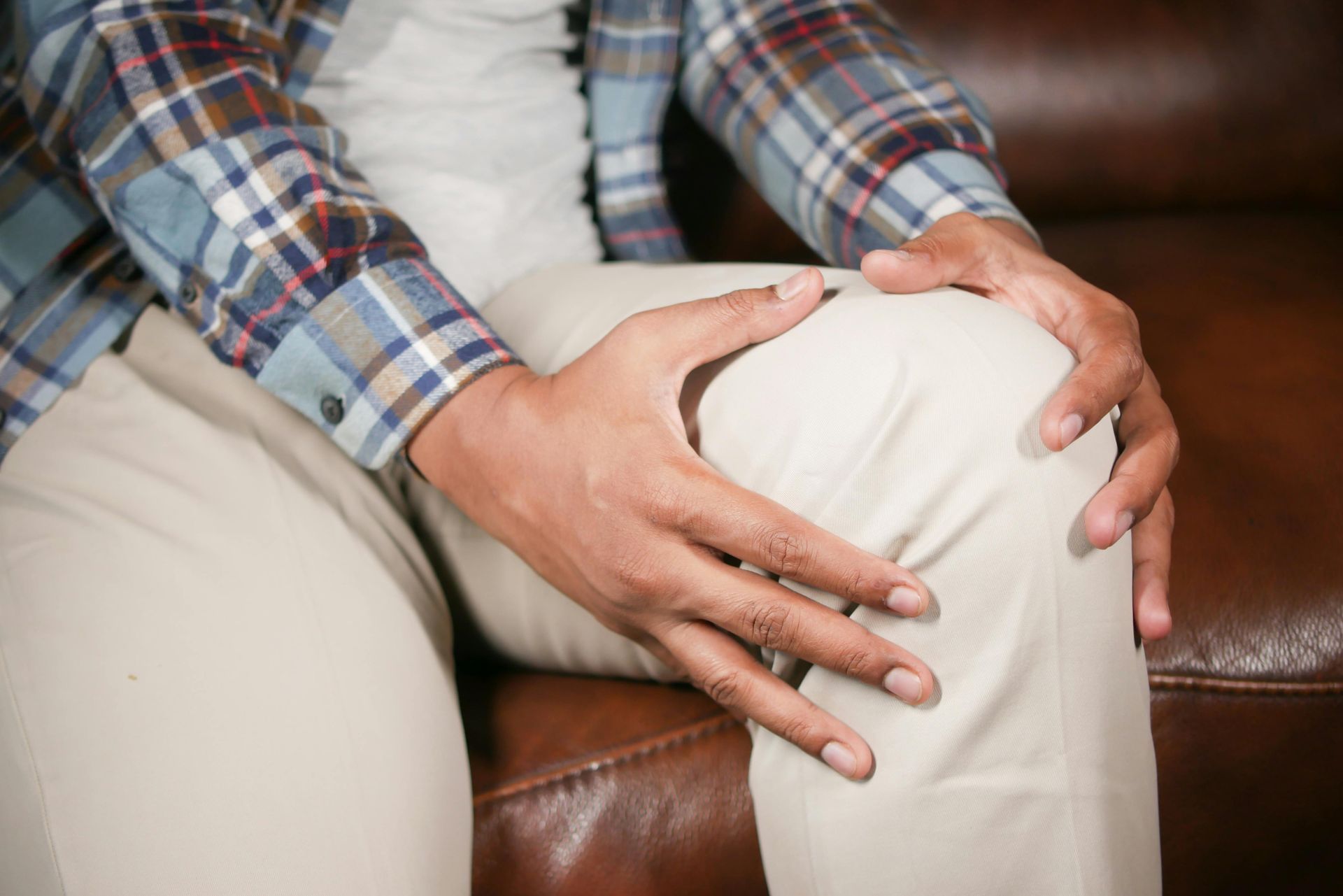
Unlocking Your Knee Joints: Rheumatoid Arthritis Living With Rheumatoid Arthritis: How Movement, Support, and Small Daily Habits Can Make a Big Difference Rheumatoid arthritis (RA) is more than occasional joint pain. It’s a chronic autoimmune condition that can affect how you move, how you feel, and how you live day to day. For many people, RA impacts the hands, wrists, knees, feet, and shoulders—making everyday tasks like opening a jar, getting dressed, walking comfortably, or even sleeping through the night more difficult than they used to be. The good news is that while RA can be challenging, there are proven ways to manage symptoms, protect your joints, and improve your quality of life. With the right approach, many people living with RA feel stronger, more confident, and more in control of their body again. What Rheumatoid Arthritis Can Feel Like RA often shows up differently for each person, but there are several common symptoms that many people experience. The most common symptoms include: Joint pain (especially hands, wrists, knees, and feet) Joint swelling Morning stiffness lasting 30 minutes or longer Warm, tender joints Fatigue and low energy Reduced range of motion and flexibility Weakness (especially grip strength) Symptoms on both sides of the body (symmetrical joint pain) Flare-ups (symptoms come and go, with worse periods) One of the most frustrating parts of RA is its unpredictability. Some days you may feel fine, and other days even simple movement can feel exhausting. That’s why a consistent, joint-friendly strategy is so important. The Role of Exercise and Wellness in Managing RA Many people with rheumatoid arthritis are understandably nervous about exercise. They worry it will make inflammation worse or increase pain. But research and real-life experience show the opposite when movement is done correctly. A safe, structured wellness plan can help: Reduce stiffness Improve mobility Strengthen muscles that support the joints Increase energy over time Improve balance and stability Support heart health (RA can increase cardiovascular risk) Help with weight management, which reduces stress on joints The key is not “pushing harder.” The key is learning how to move in a way that supports your joints. A Simple Movement Prescription for Rheumatoid Arthritis The most effective movement routine for RA typically includes four areas: 1) Low-impact cardio (3–5 days/week) Walking, cycling, swimming, or using the elliptical are excellent choices. A good goal is: 20–40 minutes Moderate intensity: A pace where you can still talk, but you feel like you’re working 2) Strength training (2–3 days/week) Strength training is one of the best ways to protect joints because stronger muscles reduce stress on the joints themselves. Focus on: Full-body strength, Controlled movements, Light to moderate resistance 3) Daily mobility and flexibility Even 5–10 minutes of gentle mobility can reduce stiffness and help joints feel more comfortable. 4) Balance and stability training (2–3 days/week) Balance work improves coordination, stability, and confidence—especially when joints feel unstable. When you live with rheumatoid arthritis, exercise should feel supportive—not punishing. If you’re ready to feel stronger, move with more confidence, and create a wellness plan that works with your joints—not against them—coaching can help. You don’t have to figure this out alone!
By Nina ParkerBrison December 26, 2025
When Calcium Crystals Attack: How Hydroxyapatite Deposition Disease (HADD) Steals Your Mobility—and How to Fight Back! Have you ever woken up with searing pain in your shoulder, hip, or knee and wondered how a seemingly healthy joint could suddenly betray you? You might be surprised to learn that tiny calcium crystals—specifically hydroxyapatite—can build up in the tendons and soft tissues around your joint and cause intense, sometimes debilitating pain. This condition is called Hydroxyapatite Deposition Disease (HADD), and it’s more common than many people realize. Why HADD Matters HADD is often mistaken for bursitis, tendonitis, or rotator cuff injuries. Because its onset can be sudden and dramatic, many people rush to imaging centers or emergency rooms for answers. Understanding HADD helps patients get the right diagnosis and faster relief—without unnecessary procedures. What is Hydroxyapatite Deposition Disease? HADD occurs when hydroxyapatite crystals (a form of calcium phosphate) deposit in tendons, bursae, or other soft tissues near joints. The shoulder is the most commonly affected area, particularly the rotator cuff tendons, but HADD can also affect the hip, wrist, elbow, knee, and other sites. Deposits can trigger an acute inflammatory response, producing severe pain, swelling, and restricted movement. Common symptoms Sudden, intense joint pain—often waking people at night. Local swelling and warmth. Severely limited range of motion (e.g., unable to lift your arm). Pain that may come in waves: a painful acute phase followed by weeks of gradual improvement. Symptoms can sometimes mimic an infection, so a medical evaluation is important. Who gets HADD? HADD most often affects adults between 30 and 60 years old, though it can occur at any age. There’s no single known cause, but factors like repetitive microtrauma, metabolic conditions, and local tissue degeneration may contribute. Many patients have no obvious risk factor. How it’s diagnosed? Clinical history and physical exam: doctors note the suddenness and pattern of pain. X-rays: can reveal calcific deposits near the joint. Ultrasound: Excellent for identifying and localizing deposits, as well as guiding injections or procedures. MRI: used if other conditions need to be ruled out. Aspiration/analysis: rarely required; usually, imaging is enough. Treatment options that relieve pain and restore function? The good news is that many people recover well with conservative care. Options include: Rest, ice, and short-term use of NSAIDs for pain control. Corticosteroid injections into the bursa or tendon to reduce inflammation (often ultrasound-guided for accuracy) Physical therapy to restore the range of motion and strengthen the surrounding muscles Ultrasound-guided needle lavage (barbotage): a procedure that breaks up and flushes out the calcium deposit, can provide rapid relief. Extracorporeal shock wave therapy (ESWT): a noninvasive option used in some centers to break up deposits. Arthroscopic surgery: reserved for persistent cases that fail conservative measures. Prognosis and recurrence Many acute HADD episodes are self-limited over weeks to months, especially with targeted therapy. However, deposits can recur or persist; timely treatment improves outcomes and reduces the risk of long-term stiffness.  When to seek urgent care? If severe pain is accompanied by fever, spreading redness, or rapidly worsening symptoms, seek immediate medical attention—these signs could indicate infection or another serious condition. Hydroxyapatite Deposition Disease can be frightening when it strikes, but with the right diagnosis and targeted treatment, many people regain full function quickly. If you’ve had sudden, severe joint pain—or repeated “mysterious” flareups—don’t shrug it off. Get informed, check your symptoms, and connect with a provider who knows how to treat HADD effectively.
Person sitting on bench, looking at a stormy landscape with green field, gray sky, and a red glow.
By Nina ParkerBrison December 8, 2025
Navigating the Depths of Depression: A Path Forward Navigating depression is a complex journey that transcends simple sadness, affecting your emotions, physical health, and daily behavior. As of late 2025, modern wellness approaches increasingly emphasize integrated, person-centered care that addresses both the "from the neck up" mental challenges and "from the neck down" physical symptoms. 1. Build Momentum with Small Steps When depression drains your energy, starting with "tiny goals" can prevent overwhelm and build confidence. The 5-Minute Rule: Commit to an activity for just five minutes—such as putting one item away or walking around the block. Often, starting is the hardest part, and movement can generate the motivation you currently lack. Establish Stability: Create a loose but structured routine with consistent sleep and meal times. Simple morning rituals, like getting dressed or drinking water, provide a sense of control. Nature and Grounding: Spending even 15 minutes outside can improve clarity and mood. Use mindfulness techniques to focus on the present moment and help break cycles of negative rumination. 2. The Power of Intentional Wellness Your physical habits can directly influence your brain chemistry. Physical Activity: Regular exercise, particularly rhythmic activities like walking or swimming, releases endorphins and neurotransmitters like serotonin and dopamine. For many, moderate exercise can be as effective as medication for mild to moderate depression. Intentional Eating: Focus on nutrient-dense foods rich in Omega-3 fatty acids and B vitamins. Avoid skipping meals to prevent blood sugar crashes that can exacerbate irritability and fatigue. 3. Connection as a Lifeline Isolation fuels depression, while social support acts as a critical buffer. Seek Social Support: Whether through online communities or trusted friends, sharing your journey helps combat the profound sense of isolation. Perspective Shifts: Shifting from a mindset of "beating" depression to viewing it as a journey of self-discovery can foster long-term resilience. Re-engagement: Restore joy by gradually re-engaging with hobbies or small things that once brought satisfaction. 4. Professional Guidance Recovery is not a linear process and often requires professional help. Collaborative Care: Partnering with physicians and certified health coaches ensures your fitness and lifestyle changes complement medical treatment plans. Evidence-Based Therapy: Professionals can provide structured guidance through Cognitive Behavioral Therapy (CBT) to challenge negative thought patterns or Interpersonal Therapy (IPT) to improve relationship dynamics.
Photographer walking on a wooden path through tall dry grass under a pink and orange sky.
By Nina ParkerBrison May 5, 2024
Managing Loneliness as You Age Loneliness is a complex and difficult feeling that can affect anyone at any age. As young adults, we give little thought to getting older and feeling alone. We live each day not considering that the social aspects of our life may not always be as we age. Loneliness can leave you feeling empty, disconnected from the world, fearful of dying with no one around, or even abandoned. Loneliness is often described as a sense of isolation or disconnection from others. It can be caused by a variety of factors such as social isolation, loss of loved ones, or even just a lack of meaningful connections with others. We were never intended to live life alone at any age or life stage. Managing loneliness can be challenging, but several strategies can help you cope with loneliness which include reaching out to loved ones and joining social groups and communities. Engage in activities that bring you joy and fulfillment. Try something new that will require you to step out of your comfort zone. Instead of focusing outwardly on others to fill the void look inward toward yourself. Focus on having a relationship with yourself and usually the law of attraction will occur. Always be kind to those you encounter which can open the door for relationships to develop. Older adults tend to isolate themselves when managing various medical conditions out of fear of judgment, embarrassment, or fear of rejection. Accept and understand that aging and the changes that occur along the way are part of the life cycle. Remember that it's okay to feel lonely, and seeking support from others can make a big difference., such as staying connected with friends and family, engaging in activities that bring joy and fulfillment, and seeking support from mental health professionals when necessary. It's important to remember that feeling lonely is a common experience, and there is no shame in seeking help or support.
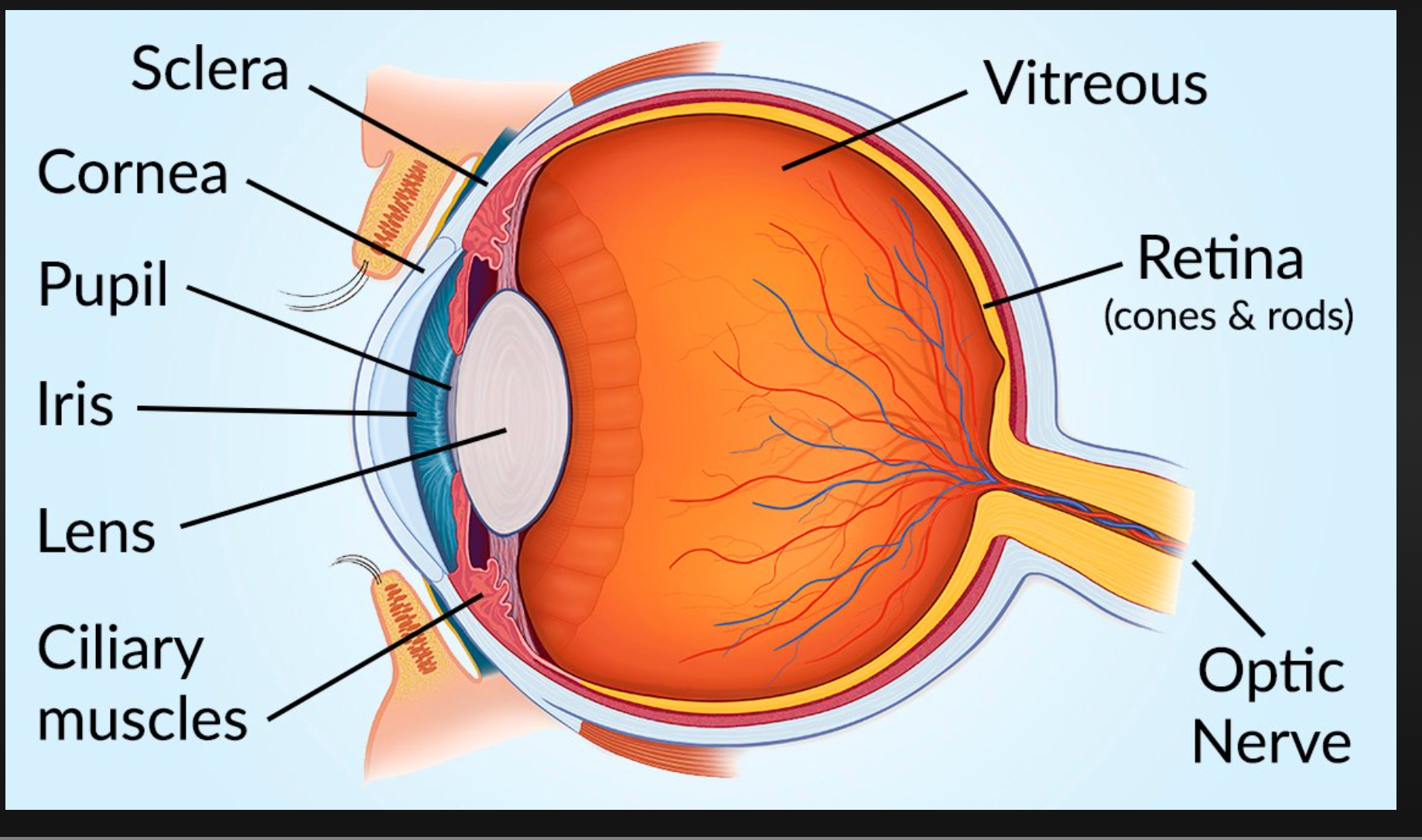
Cross-section of the human eye, labeled with key parts: cornea, pupil, lens, retina, optic nerve, and other components.
By Nina ParkerBrison December 20, 2023
Your Eyes are Windows To Your Health Eyesight is one of the most important organs of our senses. Our eyes provide light, knowledge, beauty, and many other blessings. However, a time may come when an eye disease impacts your vision. One of the most common eye conditions that impacts millions of people is Cataracts. Cataracts are cloudy areas that form on the lens of your eye. As you get older, the proteins in your lens beak down, forming cloudy patches that affect your vision. You may experience symptoms such as double or blurry vision, eye strain to see clearly, a film over your sight (like looking through a dirty window), or total blindness in an eye. Cataracts can be easily corrected. There are various types of age-related Cataracts. Many people notice or are diagnosed with the condition in their 50s. Depending on a person’s eye health the condition can occur at any age. One of the leading causes of blindless in older adults is from Cataracts. The average Cataract surgery age is 65. The only way to treat Cataracts is to replace the optical lens. Now that you have some facts about Cataracts lets discuss why it’s important to care for your Cataracts. Cataracts are non-reversible and usually get worse with time. The worse the Cataracts becomes so does your quality of life. Your ability to see at a distance when walking, working, or performing the tasks of daily living will be impacted. For example, if you are walking and can’t identify an object or person clearly from a distance you may not be able to detect if danger is approaching. Seeing clearly gives you time to decide before encountering the situation, person, animal, or object. Let’s say you need to balance your budget but can’t see the numbers clearly. You may need to rely on someone else to manage your finances. Or you may write the wrong digit on a check, or miss important information that impacts what you pay. That's why it's important to be accountable for the health of your eyes. Having eye surgery can seem scary or bring on anxiety. Not knowing how your eyesight may be impacted after surgery can make you feel unsure about having the Cataracts removed. Or cause you to prolong getting the procedure. The question to ask yourself is if your health and quality of life is worth correcting your eyesight?
Microscopic view of clustered, pink spherical bacteria.
By Nina ParkerBrison February 20, 2023
Make Peace With Your Aging Health Aging is a part of life, and it is something that we all have to accept. Our bodies are designed to decay. Many older adults experience physical, metabolic and/or cognitive limitations. There isn't a magic pill, elixir, eating or exercise program, surgery or any other worldly created idea, process, or method that will stop you from aging. Don't let changes in your health make you resent getting older. Every day is a new adventure because God's plan is to renew us. And getting older is part of the adventure. However, aging doesn't mean that you can't take care of yourself and feel your best. It's important to practice healthy habits like eating nutritious foods, exercising regularly, and getting enough sleep to ensure that you look and feel your best. With the right approach, you can age gracefully and stay healthy and active for many years to come. Here are some tips that will help you feel better: Eat a nutritious diet. Minimize processed foods and sugary drinks. Stretch most days of the week. Exercise regularly and walk daily. Connect with people you value and vice versa so you feel connected. Make and attend annual wellness check-ups. Meditate/stay in prayer daily for mental wellness. Remember your blessings and be grateful. There is always someone who has it worse. Accept where you are in life. The path God has for you is yours. Drink a lot of water daily. Love all of you. Know thyself and you will never need anyone to validate, or stay with you. The biggest mistake you can make is ignoring changes in your health. Becoming angry that you are aging and letting the worlds view of aging direct you leads to low self-esteem, depression, and anxiety. There are times that you may not know what to do or how to get yourself on the right track to managing a medical condition or improving in your appearance. Be accountable to yourself and visit a doctor or specialist when you have physical, mental or emotional concerns. Aging doesn't have to rob you of wellness in the later years of life. Never forget everyone ages differently and at various rates. You have the power to make peace with your aging process.
Old hands holding a piece of paper that reads
By Nina ParkerBrison June 12, 2022
Accept Your Aging Body  Suddenly you notice changes in your physical appearance. Maybe it's the wrinkles around your eyes, the creases around your mouth when you smile, or a change in your vision. Maybe it's a physical change such as weight gain, inability to run the same distance you ran years ago, or a diagnosis of arthritis. And even more concerning is changes in your hormones which can impact your metabolism or lead to various metabolic diseases. Some changes you see and feel, while many go unnoticed until something happens. Regardless to what physiological or psychological changes you are experiencing, research has proven that being accountable for your aging health can make a difference in your ability function in the later years of life. Your perception of how your aging will impact your daily living. Wrinkles can be hidden with quality make up and technique. However, it doesn't change the fact that under the makeup are wrinkles. Accepting that the wrinkles represent the years you have been blessed to live, and the time you had to laugh, smile, and sometimes cry outweighs the negative self-talk of having old skin. You can color gray hair. However, it doesn't change the fact that your hair strands pigment has changed. Once the hair color fades the gray returns. Instead of coloring the gray maybe consider getting a hairstyle that compliments you with gray hair. If you find that your ability to perform physical activities such as running and walking for periods of time has changed consider endurance training, breaking up the routine, or creating a cardio program that has goals which can help you feel accomplished. There are numerous things you can do to improve, slow, and manage your aging process. Below are some tips that may help your age better. Not just your physical appearance or health, but mental health as well. Eat a nutritious diet. Minimize processed foods and sugary drinks. Lotion your skin daily to help keep it moisturized and maintain elasticity. Get 7-8 hours sleep each night. During rest is when the body rebuilds and heals. Make exercise (resistance training and cardio) a part of your life. Have plan for each day. This can help you stay active and in shape Socialize regularly. We were designed to “love our neighbor”. Essentially social connections can help prevent, slow, or delay cognitive decline. Get dressed every day. When many people age, they start to lose care for their appearance. Take advantage of opportunities to travel, visit friends, attend events. These are great opportunities to keep growing and learning. After 50 stress and anxiety should not be allowed in your life. If people, places, or things make you stressed remove the variable from your life. It’s ok! If someone makes you feel uncomfortable, inadequate, or is tries to damage your self-esteem, they MUST GO. You should never feel uncomfortable within yourself or space. Give, love, and help others. Never give, love, and help those who don’t want to be helped. Spending energy and resources where it adds no value or help is a waste. Value your time. Spend time where and with whom you feel connected. Make and attend annual wellness check-ups. The biggest mistake you can make is ignoring changes in your health. There are times that you may not know what to do or how to get yourself on the right track to manage a medical condition or change in your appearance. Visit your doctor or specialist when you have physical, mental or emotional concerns.
A person's hand reaching for a white alarm clock set at 7:00 am, emerging from white bedding.
By Nina ParkerBrison April 20, 2022
Your Changing Sleep Pattern Emotional, physical, and mental health all contribute to your overall well-being. Essentially all these aspects affect the whole of you. Intentionally sticking with a healthy sleep pattern should be a part of your self-care plan. Sleep does many wonderful things for our body. While you are resting your body is hard at work repairing, protecting, and preparing for the next day. Sleep affects your health in many ways such as: Heart Health Sleep helps keep your heart and blood vessels healthy. Lack of sleep can cause high blood pressure, and heart disease over time. Metabolism - Sleep helps regulate your metabolism. Lack of sleep can cause blood sugar levels to fluctuate. Fluctuating blood sugar levels affect your mood, and energy levels, and can impact mental function (think depression/anxiety). Stress Sleep helps your mind and body relax. Stress can cause you to be reactive, make rash decisions, and feel anxious. Inflammation Inflammation (sometimes you don’t see or feel inflammation) damages internal structures and increases the risk of disease. Weight Loss/Maintenance Sleep impacts the hormones Ghrelin (a hormone that stimulates appetite) and Leptin (a hormone that suppresses appetite). If you want to lose or maintain weight a good night's sleep is part of that equation. Memory and Alertness A good night's sleep makes you feel energized and alert. In addition to improving your memory. Repairs While you are sleeping your body repairs. Muscles that have been torn from exercise heal and grow. Protein which is the building block of cells is repaired to make you stronger and protect your immune system. How much sleep do you need? Age Group Recommended Hours of Sleep Per Day Preschool / 3–5 years / 10–13 hours per 24 hours (including naps) School Age / 6–12 years / 9–12 hours per 24 hours Teen / 13–18 years / 8–10 hours per 24 hours Adult / 18–65 years / 7-9 hours per night As we age our sleep patterns change. Most people find it's more difficult to sleep. They wake up more often during the night and earlier in the morning. The change generally occurs due to the aging of your internal clock also known as SCN (Suprachiasmatic Nucleus). The aging of the SCN affects your circadian rhythms which impacts your sleep. Additionally, disruption in the melatonin and cortisol hormones can impact your sleep as well due to an imbalance. Mental and physical health conditions can interfere with sleep. Other factors like medication, stress, and sleeping environment can impact your rest. Try to identify the source of your sleep disruption so you can get better rest. Sleep tips for older adults: Exercise - helps you fall asleep faster, longer and better quality of sleep. Avoid Substances that discourage sleep - caffeine, tobacco, sugar, late meals/snacks. Sleep Schedule - keep a regular sleep schedule (even on the weekends). Bed-Time Routine - relaxing activities such as reading, meditating, listening to calming music. Technology - avoid or minimize use of technology and television before bed. Phone - keep a phone nearby just incase you need help getting out of bed, or have an emergency during the night. Sleep Aids - with your doctors approval consider using a sleep aid to help you rest.
View More

Health & Wellness Services

Health and wellness is about more than exercising and eating right.  Our mental, emotional and internal health needs to be cared for as well in order to balance your mind body and spirit.  As we age our needs change in regards to what we need to maintain good health.  Having the guidance and support of a wellness professional to help you manage your health will be a good addition to your wellness plan.   Choose from one of the Personal Training packages below that best suits your needs and get started.  Or give us a call at 302-528-5021 to book your package today.

Personalized Training: Virtual/Hybrid Wellness Packages That Fit You
#StaySocial

Follow us for more fitness tips to be featured on Facebook